Toothache at Midnight? Contact an Emergency Dentist Beverly Hills
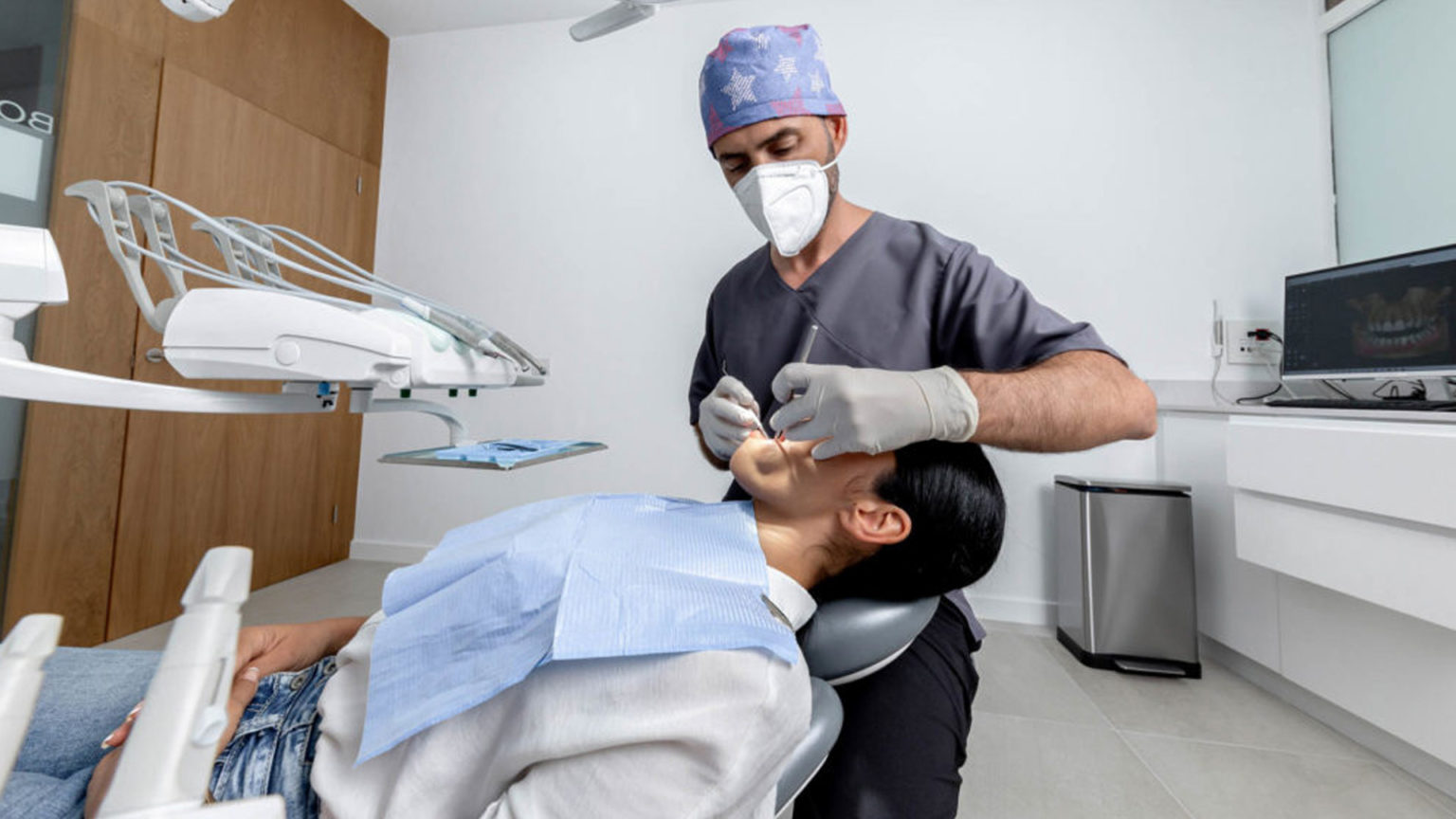
A toothache rarely arrives at a convenient hour. It has a way of waiting until the office lights are off, the day is done, and the pain suddenly decides it has your full attention. Midnight dental pain feels different from daytime discomfort. The house is quiet, pharmacies may be closed, and every throb seems louder when you are trying to sleep.
That is when people start searching for an Emergency Dentist Beverly Hills, not because they want perfect timing, but because they need relief, guidance, and sometimes urgent treatment. The right response in those first few hours can make the difference between a manageable problem and a much bigger one by morning.
Dental emergencies are often misunderstood. Many people assume an emergency means dramatic trauma, a knocked-out tooth, or visible bleeding. Those cases do count, of course, but severe tooth pain can be every bit as urgent. A deep infection, a cracked tooth, an abscess under pressure, or a failed filling exposing a nerve can escalate quickly. Pain is not always a minor inconvenience. Sometimes it is the body’s blunt warning that something is actively wrong.
Why nighttime tooth pain deserves respect
A healthy tooth does not wake you up. If pain starts suddenly at night or becomes much worse when you lie down, there is usually a reason. Blood flow shifts when you recline, pressure builds in inflamed tissue, and the brain has fewer distractions. What felt tolerable at 3 p.m. Can become impossible at 12:30 a.m.
In practice, nighttime tooth pain usually falls into a handful of patterns. One is a deep cavity that has reached the pulp, where the tooth’s nerve and blood supply live. Another is a cracked tooth that opens under biting pressure and triggers sharp, electric pain. A third is an infection around the root or gumline. There are also cases where a crown loosens, a temporary restoration falls off, or grinding and clenching inflame an already vulnerable tooth.
People often try to “wait and see” with dental pain because they hope it will fade. Sometimes the pain does settle temporarily. That can be misleading. A tooth may stop hurting because the nerve is dying, not because the problem resolved. I have seen patients arrive relieved that the pain vanished, only to learn they now have a spreading infection and swelling in the jaw.
The midnight version of this problem also creates a practical issue. Once pain reaches the point where you cannot sleep, your judgment drops. You start making shortcuts, pressing aspirin against the gum, chewing on the other side until that side hurts too, or taking too much medication too close together. None of that addresses the source.
What actually counts as a dental emergency
Not every dental concern needs immediate treatment at 1 a.m., but many situations should not wait long. Severe pain, swelling, trauma, active bleeding, signs of infection, or a broken tooth with exposed inner structure deserve prompt attention. If you are unsure, the safest move is to call an emergency provider and describe what is happening in plain language.
An experienced emergency dentist listens for details that matter. Is the pain constant or only with biting? Is there swelling in the face or gum? Do you have fever, a bad taste in the mouth, or difficulty opening your jaw? Did the pain begin after something hard cracked between your teeth? Was there recent dental work? These details often point toward the source before an examination even begins.
Some of the most time-sensitive dental emergencies are not the most painful at first. A knocked-out permanent tooth, for example, can sometimes be saved if treated quickly, ideally within about 30 minutes to an hour. On the other hand, a dull ache that has been building for weeks may finally peak in the middle of the night and require root canal therapy or extraction. Urgency is not just about drama. It is about risk.
The first hour matters, especially with swelling or infection
Dental infections can move beyond the tooth. That is the part patients often do not realize. An abscess may begin as pressure near the root, then spread into the surrounding gum, cheek, or deeper facial spaces. Once swelling affects swallowing, breathing, or the ability to open the mouth, it is no longer a routine dental issue. It becomes a medical one as well.
A practical rule is simple: if a toothache comes with swelling, fever, or a feeling that the pain is pulsing and expanding, take it seriously. If there is facial asymmetry, trouble swallowing, or breathing changes, do not wait for a dental office to open. Seek immediate emergency medical care.
The reason dentists take infection seriously is not to alarm people. It is because early treatment is almost always easier. Draining an abscess, starting appropriate medication when indicated, and treating the source tooth promptly can stop a small crisis from becoming a dangerous one.
What to do at home before you are seen
You cannot perform dental treatment on yourself, but you can avoid making things worse. Good first steps are simple, restrained, and focused on reducing irritation until a professional can evaluate the problem.
- Rinse gently with warm salt water to clear debris and calm irritated tissue.
- Take an over-the-counter pain reliever as directed on the label, unless your physician has told you to avoid it.
- Use a cold compress on the outside of the face if there is swelling.
- Keep your head elevated rather than lying flat.
- Save any broken tooth pieces, crown, or restoration and bring them with you.
A few common mistakes are worth mentioning because they happen all the time. Do not place aspirin directly on the gum. It can burn the tissue and create a second problem. Do not use very hot compresses over a swollen face, which can increase inflammation. Do not glue a crown back with household adhesive. Temporary dental cement from a pharmacy can sometimes help in limited situations, but even that is a short-term measure, not a fix.
If a tooth has been knocked out, hold it by the crown, not the root. If it is dirty, rinse it briefly with milk or saline, not by scrubbing. In some cases it can be placed back in the socket if done carefully, but many people are understandably hesitant. Storing it in milk and getting to an emergency dentist fast is often the more realistic choice.
Why people in Beverly Hills look for emergency dental care quickly
Beverly Hills patients often have high functional and cosmetic expectations, and those two concerns usually overlap. A fractured front tooth is not only painful, it affects speech, confidence, and appearance immediately. A broken veneer may not be life-threatening, but if the underlying tooth is exposed or sharp, treatment becomes urgent for comfort and protection.
There is also a practical side to seeking an Emergency Dentist Beverly Hills rather than waiting. Local emergency dental providers are accustomed to seeing a broad mix of urgent situations, from cosmetic restorations that fail unexpectedly to sports injuries, nighttime abscesses, and cracked molars in people who clench under stress. That experience matters. Midnight dental pain is not the time for guesswork or delayed callbacks.
Another reality is that many adults in professional, public-facing, or highly scheduled roles cannot afford to lose several days to worsening dental pain. They need accurate diagnosis, immediate relief, and a treatment plan that respects both health and appearance. A skilled emergency dentist understands that saving the tooth is one goal, but restoring function and esthetics quickly is often part of the same conversation.
What happens when you arrive for emergency treatment
People imagine emergency dental visits as chaotic, but good emergency care is usually methodical. First comes triage. The dentist or clinical team needs to know whether the priority is pain control, infection management, bleeding, trauma stabilization, or all of the above. Then comes the examination, often with digital X-rays and focused testing of the involved tooth or area.
The dentist may tap the tooth, check the bite, evaluate gum pockets, inspect for cracks, and test temperature response. If the pain is coming from a deep nerve problem, the diagnosis often points toward root canal therapy. If the tooth is fractured below the gumline, the options may be more limited. If swelling is present, the immediate goal may be drainage and pressure relief, followed by definitive treatment once the infection is controlled.
One thing patients appreciate is clarity. A good emergency dentist explains what is happening, what can be done tonight, and what may need to happen at a follow-up visit. Emergency treatment is not always the final treatment. Sometimes it is the first critical step that gets you out of pain and protects the tooth until a more complete procedure can be completed.
For example, a patient with irreversible pulp inflammation may need the tooth opened and medicated to reduce pressure, then return for a full root canal. Someone with a fractured crown on a heavily restored tooth may need a temporary solution that protects the area until a permanent crown can be made. A dental emergency is often a sequence, not a single event.
Pain location can fool you
One of the trickiest parts of dental pain is that the source is not always obvious. Lower molar pain may radiate toward the ear. Upper tooth infection can feel like sinus pressure. A cracked tooth may hurt only when releasing a bite, not during chewing itself. Some patients are convinced the front tooth is the problem when the actual source is a premolar further back.
That is why self-diagnosis tends to fail once pain becomes significant. Even highly observant patients can misread referred pain. I have seen someone point with certainty to the “bad tooth,” only for testing to show the neighbor was the true culprit. The anatomy of nerves in the face allows pain signals to spread and blur.
This matters at midnight because people often start treating the wrong side, chewing away from the wrong area, or delaying care because the pain seems to move. A moving pain pattern does not mean it is imaginary. It means the mouth is complicated, and a proper exam matters.
When a cracked tooth is the hidden cause
Cracks deserve special attention because they are easy to miss and hard to ignore once symptoms escalate. A cracked molar may look fairly normal in the mirror. There may be no obvious missing chunk. Yet every time pressure hits the crack, the two sides of the tooth flex microscopically and irritate the pulp.
Patients describe this pain in vivid ways. “It zings when I let go after biting.” “Cold water gets me, then it lingers.” “I cannot tell which side it is, but something back there is wrong.” Those descriptions often point toward a structural problem rather than a cavity alone.
Emergency treatment for a crack depends on how deep and extensive it is. Some teeth can be stabilized and restored. Others need root canal treatment if the pulp is involved. If the crack extends too far below the gumline or into the root, the tooth may not be salvageable. That is not the answer anyone wants at 1 a.m., but getting a clear diagnosis quickly can spare days of escalating pain and uncertainty.
Children, older adults, and special situations
Dental emergencies do not look the same in every age group. A child with a nighttime toothache may be dealing with a large cavity in a baby tooth, erupting permanent teeth, or trauma from a fall that was initially brushed off. Pediatric dental pain can escalate fast because children often underreport symptoms until they are overwhelmed.
Older adults bring a different set of variables. Root surfaces may be more exposed. Existing crowns and bridges may loosen. Dry mouth from medications increases cavity risk. A small fracture in a heavily restored tooth can turn into severe pain with little warning. In these cases, preserving function is critical because chewing patterns, nutrition, and overall comfort are already more fragile.
There are also patients with medical conditions that change the urgency of care. Diabetes, immune suppression, recent surgeries, and certain heart conditions can complicate infections or influence medication choices. Pregnancy adds another layer of caution, but dental infections and severe pain should still be treated promptly. Delaying needed care is rarely the safer path.
Signs you should not ignore until morning
Some symptoms demand faster action than others. Severe pain alone is enough to seek help, but certain combinations raise the stakes.
- Facial swelling that is increasing
- Fever with dental pain
- Trouble swallowing or opening the mouth
- A knocked-out or displaced permanent tooth
- Bleeding that does not stop with gentle pressure
These are the situations where calling an Emergency Dentist Beverly Hills promptly is not overreacting. It is smart triage. If airway or swallowing is affected, or if you feel systemically unwell, hospital-level evaluation may be necessary as well.
Relief is important, but diagnosis is the real goal
People often focus on pain relief first, and that is understandable. No one thinks clearly when a tooth is pounding. But the better objective is not simply to numb the pain. It is to find the cause. That may sound obvious, yet a surprising number of dental emergencies get stretched out because the patient only seeks temporary fixes.
Pain can be dulled by medication, but infection can still spread. A cracked tooth may quiet down when you avoid chewing, yet the crack can deepen. A lost filling may stop hurting if food no longer gets trapped there, but the exposed dentin remains vulnerable. Temporary comfort is not the same as stability.
The most effective emergency dentists are good diagnosticians. They know when to save a tooth, when to stabilize and refer, and when extraction is the most practical answer. They can also judge the esthetic consequences of urgent treatment, which matters more than people admit. If the emergency involves a visible tooth, the plan should address both health and appearance whenever possible.
Aftercare often determines whether the problem stays solved
The midnight visit is only part of the story. What happens in the next few days matters just as much. Patients who feel dramatically better sometimes assume the crisis is over and postpone definitive care. That is how temporary fixes become recurring emergencies.
If the dentist recommends a follow-up root canal, crown, extraction, or periodontal treatment, take that timing seriously. A sedated nerve, a temporary restoration, or a drained abscess can create welcome relief without fully resolving the underlying issue. Skipping the second step often sends people right back into pain, usually at another inconvenient hour.
There are practical aftercare details that help. Eat on the opposite side if advised. Avoid hard, sticky foods around temporary restorations. Finish medications exactly as prescribed. If swelling worsens rather than improves, call back. If the bite feels high after emergency treatment, do not ignore it. A slightly elevated bite can make a tooth feel bruised for days and can compromise healing.
The midnight toothache that keeps coming back
Recurring nighttime pain usually means one of three things. The original diagnosis was incomplete, the tooth has developed a new problem, or the patient never received the definitive treatment that was recommended. Sometimes clenching plays a role too. Stress-related grinding can turn a borderline tooth into a full-blown pain source, especially after dental work.
This is where experience matters. An emergency dentist has to think beyond the obvious cavity or fracture and consider the bite, the history of restorations, sinus involvement, gum disease, and habits like clenching. Dentistry is rarely just one thing. A tooth with a deep filling, a hidden crack, and night grinding can present very differently from a straightforward cavity, even if the pain sounds similar on the phone.
Patients often feel embarrassed when they call after midnight, as if they should have managed the pain better or noticed the problem earlier. That reluctance delays care more than it should. Teeth do not always give clean warning signs. Plenty of serious dental problems simmer quietly before they suddenly announce themselves at the worst possible time.
Choosing the right emergency dentist when time is short
At midnight, most people are not comparing ten practices and reading every detail. They are trying to figure out who will actually answer, who handles urgent cases regularly, and who can treat the issue rather than simply telling them to wait until business hours.
A reliable emergency dental office should be clear about availability, what symptoms require immediate attention, and what to do before arrival. Responsiveness matters. So does the ability to perform diagnostic imaging and provide treatment on the spot, whether that means pain control, temporary stabilization, drainage, repair, or referral for advanced care when appropriate.
For anyone searching Emergency Dentist Beverly Hills, the goal is simple: find a provider who treats pain seriously, communicates clearly, and knows how to balance urgency with judgment. Not every tooth can be saved. Not every emergency needs the same fix. But every genuine dental emergency deserves prompt, skilled attention.
Midnight toothaches have a way of shrinking your world down to one question, how do Emergency Dentist Beverly Hills I make this stop? The short answer is that lasting relief usually starts with getting the right eyes on the problem quickly. When pain wakes you up and does not let go, that is your signal to stop guessing and get help.
Dental Group of Beverly Hills
8641 Wilshire Blvd #125, Beverly Hills, CA 90211, United States
Phone: +1 (310) 929-6335
FAQ About Emergency Dentist Beverly Hills
What is considered to be a dental emergency?
Severe tooth pain, a knocked-out permanent tooth, a significant tooth fracture, or suspected dental infection needs prompt professional assessment. Contact a dentist to describe the problem and arrange appropriate care. Trouble breathing or swallowing, uncontrolled bleeding, or major facial injury requires immediate emergency medical attention.
How to tell if tooth pain is serious?
Pain that is severe, persistent, or accompanied by fever, facial swelling, or a bad taste should be assessed promptly by a dentist. The cause cannot be confirmed from symptoms alone. If swelling affects breathing or swallowing, call 911 or go to an emergency department.
What do I do if I have a dental emergency and no dentist?
Call a nearby dental practice that accepts urgent patients and explain your symptoms, when they began, and any recent injury. Ask about the earliest available assessment and what information to bring. For life-threatening symptoms, seek emergency medical care immediately instead of waiting for a dental appointment.